






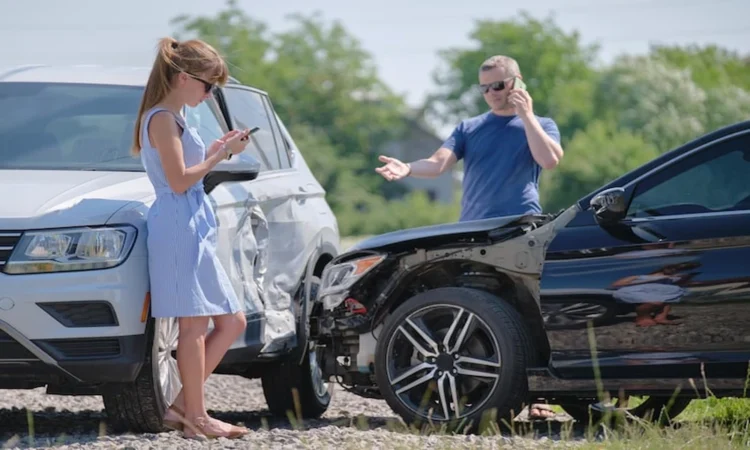
You know the stakes after a crash in New Orleans. Medical bills stack up. Calls from insurance adjusters start fast. The next steps shape your health and your finances. I track how these cases move through Louisiana, and I study what helps people leave less on the table. If you need a new orleans car accident lawyer, here is how I would size up your options and why many people bring in counsel early.
I will walk you through the local rules that affect your claim, what insurance companies focus on, when to call a lawyer, and how to choose the right fit. I will also explain why I point many readers to The Law Offices of Chip Forstall for New Orleans car accident cases.
Why hiring a lawyer matters in New Orleans
Louisiana uses a comparative fault system. Your recovery can drop by your share of fault. Arguments over even a small percent can cut thousands from a claim. Clear evidence and tight case work help limit that risk.
The filing deadline for injury claims is short in Louisiana. You often have one year from the crash date to file a lawsuit. That clock pushes fast action. A lawyer can move to secure records, video, and data before they fade.
Many New Orleans crashes involve complex factors. Rideshare drivers, out‑of‑state trucks, delivery fleets, road hazards, and city traffic cams can all come into play. These cases can include several responsible parties. That means several insurers, several policies, and more room for dispute. Good counsel keeps the focus on who pays and how much.
How insurance companies approach your claim
Adjusters are trained to close files for the smallest number possible. They look for gaps in treatment, prior injuries, unclear photos, and vague pain reports. A quick offer can look fair today and feel short next month when symptoms linger.
I have seen patterns repeat:
- A recorded statement trims value by how a question is framed
- Early releases give up broad medical history that clouds causation
- Property damage photos without context hide crash forces
- A few missed therapy visits suggest your injury is minor
A lawyer steps between you and these pressure points. That levels the field.
The first ten days set the tone
Action in the first stretch after a crash can raise claim value later. Here is what I tell people:
- Get a full medical exam within 24 to 48 hours, even if pain feels light
- Photograph the scene, vehicles, road marks, and visible injuries
- Gather names, phone numbers, and insurance info for all drivers and witnesses
- Request the police report number and later the full report
- Preserve the vehicle before repairs if damage is heavy
- Save all receipts, from meds to rides to doctor visits
- Notify your insurer but decline recorded statements
- Keep all social media quiet about the crash and your injuries
When you should consider calling a lawyer
You do not need a lawyer for every fender bender. You should call one if any of this applies:
- You have neck, back, head, or joint pain
- A doctor told you to follow up or see a specialist
- Fault is disputed or you face blame you do not agree with
- The other driver was on the job, driving a rideshare, or in a company vehicle
- A truck, bus, or delivery van was involved
- The crash involved a hit and run, DUI, or uninsured driver
- The offer does not cover all bills and lost wages
- You missed work or expect more time off
- You need treatment beyond a few visits
What a strong lawyer adds
- Investigation: traffic cam footage, EDR data, 911 audio, and nearby business video
- Strategy: a plan that fits your injuries, work limits, and long‑term care
- Claim building: full medical records, expert input, and proof of daily impact
- Negotiation: push for both economic and non‑economic damages
- Litigation: file suit if the carrier stalls or lowballs
Each step aims at the same goal, a fair recovery backed by evidence.
Why I point many readers to The Law Offices of Chip Forstall
They focus on injury law and have worked these cases in New Orleans for decades. That matters in a city with unique courts, local rules, and tight deadlines.
Here is what stands out:
- Deep auto accident practice: they handle car, truck, motorcycle, pedestrian, and bicycle cases, and they understand how multi‑party claims work
- Focused teams: attorneys concentrate on certain case types, which helps align skill with your facts
- Hands‑on approach: they take time to learn the details that move value, from crash forces to job duties
- Proven results: they have recovered millions of dollars for clients across many injury types
- Full path to recovery: they negotiate, mediate, and try cases if needed
- Practical support: they help with police and medical records, witness interviews, and insurer talks
- Clear access: free consultations and contingency fees, which remove upfront cost concerns
If you want local experience and a steady case plan, they are a strong choice.
Fees, costs, and timing
Most New Orleans injury lawyers work on a contingency fee. You pay attorney fees only if there is a financial recovery. Ask about case costs, like records and experts, and how those are handled.
Timelines vary. Some claims resolve in months, others take longer if injuries evolve or liability is complex. Early legal work can shorten delays by getting evidence in place and reducing back‑and‑forth with carriers.
Keep the one‑year lawsuit deadline in mind. Waiting until month eleven limits options. I suggest you speak with a lawyer after your first medical visit once you know the basic diagnosis.
Common mistakes that hurt claims
- Accepting a fast offer before full diagnosis
- Gaps in treatment or skipping follow‑ups
- Posting photos or comments that suggest you feel fine
- Signing blanket medical releases
- Giving a recorded statement without advice
- Repairing or selling a car before key photos and inspections
- Ignoring future costs like therapy, injections, or surgery
Avoid these traps and you protect both your health and your claim.
How to prepare for your first call
- Date, time, and location of the crash
- All insurance details for each driver
- The police report number
- Photos and videos
- Names and numbers for witnesses and treating doctors
- A list of medical visits and work days missed
- Any letters or emails from insurers
A good lawyer can use this to map the next steps at once.
The bottom line
Hiring a lawyer after a New Orleans car accident is not about being aggressive. It is about protecting your medical care, your time, and your financial future. You face strict deadlines, complex liability, and trained adjusters. Strong legal help brings order and leverage.
If you want local experience, focused case work, and a firm that builds claims the right way, The Law Offices of Chip Forstall deserve a close look. Start with a consultation, ask precise questions about strategy and timelines, and choose the path that keeps your recovery on track.