






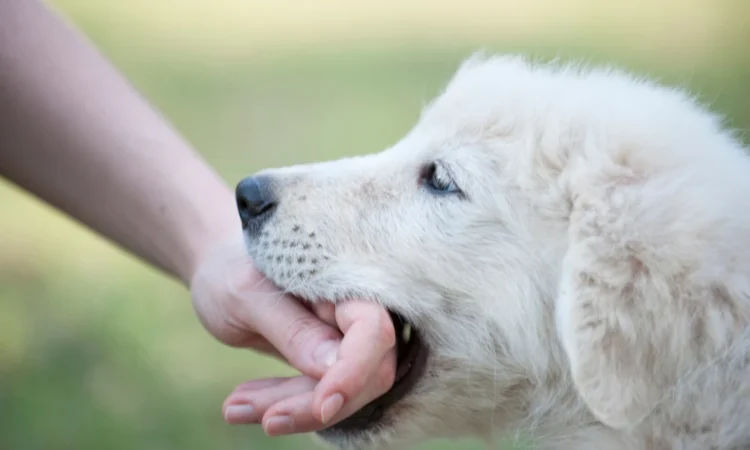
A dog attack can turn an ordinary moment into a stressful situation involving physical injuries, medical appointments, emotional distress, and unexpected expenses. While some bites cause relatively minor wounds, others can result in deep tissue damage, infections, nerve injuries, or permanent scarring. Understanding what happens between receiving medical treatment and pursuing compensation can help an injured person make informed decisions after an attack.
In Denver, a dog bite claim may involve medical evidence, information about how the incident occurred, insurance coverage, and an assessment of both immediate and future losses. Each part can influence how effectively a claim reflects the true impact of the injury.
Documenting How The Attack Happened
A compensation claim is not based solely on the existence of an injury. The circumstances surrounding the attack also matter. Useful information may include photographs of the injuries, photographs of the location, witness details, information identifying the dog and its owner, and reports made to the appropriate authorities.
Memories can become less precise over time, so documenting the circumstances early can preserve important details. An injured person may record where the incident happened, what occurred immediately before the bite, and what happened afterward.
A Denver dog bite law firm may review this evidence alongside medical documentation to understand the circumstances of the incident and identify issues that could affect a potential claim.
Medical Care Establishes The Extent Of The Injury
Medical treatment is important for health reasons, but it can also create valuable documentation for an injury claim. Dog bites can introduce bacteria beneath the skin and may damage muscles, tendons, nerves, or other tissues. Prompt evaluation allows medical professionals to clean the wound, determine its severity, and recommend appropriate treatment.
Depending on the injury, treatment may involve wound care, stitches, medication, imaging, specialist consultations, or surgery. Follow-up appointments can also be important, particularly when a person experiences limited movement, persistent pain, infection, or noticeable scarring.
Medical records can establish when treatment began, what injuries were diagnosed, and what care was considered necessary.
Understanding Responsibility In A Dog Bite Case
Dog bite cases can raise questions about responsibility that are not always obvious immediately after an attack. The location of the incident, the actions of the people involved, the dog’s ownership, and the specific circumstances leading to the injury may all require consideration.
Colorado law contains specific provisions addressing certain dog bite situations. However, the legal analysis can vary depending on the facts. For example, a serious injury case may involve different considerations from a claim involving property damage or a relatively minor wound.
Determining responsibility early can help clarify which legal options may be available and what evidence should be preserved.
Calculating More Than The Initial Medical Bill
One common mistake is viewing compensation only in terms of the first hospital or clinic bill. A serious bite can have consequences that continue long after the wound initially heals.
Potential financial losses may include emergency treatment, medications, specialist appointments, surgery, rehabilitation, and future medical care. If the injury prevents someone from working, lost wages or reduced earning ability may also become relevant.
Nonfinancial effects can matter as well. Pain, permanent scarring, physical limitations, and the emotional consequences of an attack may significantly affect daily life. Children and people who experience severe attacks may develop lasting anxiety around dogs or certain environments.
A Denver dog bite law firm can examine both documented expenses and longer-term consequences when assessing the potential value of a claim.
Dealing With Insurance Companies
Many dog bite claims involve insurance coverage, depending on where and how the incident occurred and the policies involved. An insurance company may request medical records, statements, photographs, or other documentation before evaluating a claim.
An early settlement offer can appear attractive when medical bills are accumulating. However, accepting compensation before the full extent of an injury is understood can create problems, particularly when additional treatment, reconstructive procedures, or rehabilitation may later become necessary. Careful evaluation of medical progress can therefore be important before resolving a claim.
Considering Scarring And Future Treatment
Dog bites commonly affect exposed areas such as the hands, arms, legs, and face. When an injury leaves permanent scars, the consequences can extend beyond physical discomfort. A person may require scar revision procedures, plastic surgery consultations, or other forms of treatment.
Future medical needs should be supported by appropriate professional assessments rather than assumptions. Medical opinions can help establish whether additional procedures are likely and what limitations may remain.
These details can be especially significant when injuries affect a child’s appearance or development over time.
Moving From Recovery Toward Resolution
A dog bite claim is ultimately about understanding how an unexpected injury has affected a person’s health, finances, work, and everyday life. Strong documentation can connect the circumstances of the attack with the medical and financial consequences that followed.
Working with a Denver dog bite law firm may help an injured person understand applicable legal requirements, communicate with insurers, organize evidence, and evaluate potential compensation. While financial recovery cannot undo an attack, an appropriately handled claim can help address medical expenses, income losses, future care, and other consequences associated with a serious dog bite.