






Visitors deserve to walk into stores, apartment complexes, and workplaces without encountering hidden dangers, yet unsafe property conditions still cause serious injuries across Escambia County. If you were hurt because a landowner failed to fix hazards or warn you about them, you may be wondering what proof you need and how Florida law treats your claim. This guide explains key rules unique to premises liability, the types of evidence that move cases forward, and how compensation is calculated. You’ll also find insight into recent jury trends in the Panhandle and practical steps to preserve your rights from day one. If you want local support from a team that knows the terrain, firms like Michles & Booth have long represented people injured by preventable property hazards alongside other respected Pensacola Premises Liability Lawyers.
Understanding Premises Liability Under Florida Property Laws
Premises liability is the body of law that holds property owners and managers responsible when unsafe conditions cause injuries to lawful visitors. Florida distinguishes between business invitees, social guests (licensees), and trespassers, and the owner’s obligations vary with each status. Business establishments owe invitees the highest duty: to use reasonable care in maintaining the premises, fix or warn of risks the owner knows or should know about, and conduct regular inspections. A special statute, section 768.0755, governs slip-and-fall claims in businesses, requiring proof that the property owner had actual or constructive knowledge of a transitory foreign substance like spilled liquid. These rules make it crucial to identify how long a hazard existed and whether safety practices were reasonable under the circumstances.
Visitor status and notice requirements
Visitor status is often the first dispute insurers raise. Invitees include shoppers, diners, hotel guests, and service professionals performing work on-site; they benefit from the broadest protections. Social guests still enjoy significant safeguards, especially where a host knows about a hidden risk like a rotten step or a loose handrail. Trespassers receive more limited protection, though owners must refrain from willful or wanton harm and must safeguard children from attractive nuisances such as unsecured swimming pools. Under section 768.0755, plaintiffs must show the business either knew about a spill or, through constructive knowledge, should have discovered it because it existed long enough or happened frequently.
Florida’s legal environment also includes the two-year statute of limitations for negligence claims enacted in 2023, which shortens the time to file. The state’s modified comparative negligence rule bars recovery if a plaintiff is more than 50 percent at fault (medical malpractice is an exception). Defense counsel often argue the “open and obvious” doctrine to reduce damages, but it rarely absolves owners of the duty to maintain safe premises. Owners and managers must still implement reasonable inspection and cleaning protocols, track recurring hazards, and repair defects that create foreseeable risks. Skilled Pensacola Premises Liability Lawyers know how to frame these issues using the business’s own policies and industry standards.
Common Hazards on Commercial and Residential Properties
Premises cases arise in countless ways, but certain patterns repeat across stores, restaurants, office buildings, apartments, and private homes. Wet floors from leaking refrigeration units, tracked-in rain, or spills in self-service areas can wreak havoc when warning signs and cleanup lag. Trip hazards such as curled mats, raised thresholds, uneven sidewalks, and worn carpeting catch feet at just the wrong angle. Structural issues—broken stairs, loose railings, failing balconies, and dim lighting—compound risk, especially in high-traffic areas. Negligent security at apartment complexes or shopping centers can also lead to assaults when owners ignore prior crimes and fail to provide lighting, cameras, or controlled access.
Patterns of negligence to watch for
- Recurring leaks or condensation near coolers and freezers without adequate mats or frequent mopping schedules
- Poor lighting in stairwells and parking lots, creating concealment and fall risks
- Broken or missing handrails, irregular stair risers, and crumbling steps
- Merchandise stacked too high or improperly secured, leading to falling-object injuries
- Unsecured pools or lack of compliant fencing and self-latching gates around water features
- Inadequate security measures despite a documented history of criminal activity on the premises
- Landlords ignoring tenant repair requests or code violation notices involving known hazards
In commercial settings, owners typically rely on standard operating procedures, vendor contracts, and staffing schedules to keep areas safe; when those systems fail, injuries follow. Residential properties introduce a different set of responsibilities, especially for landlords, HOAs, and short-term rental hosts who must comply with building codes and address dangers they knew or should have known about. Issues like broken exterior lighting, loose decking boards, or a missing pool alarm can signal systemic neglect rather than a one-off oversight. Children are particularly vulnerable around pools and unsecured hazards, raising the stakes for owners to implement safety layers that comply with Florida’s pool safety laws. If you’re unsure whether the condition that hurt you was preventable, firms such as Michles & Booth can evaluate photos, maintenance histories, and code records to identify where owners fell short.
Duty of Care and Landowner Responsibilities in 2025
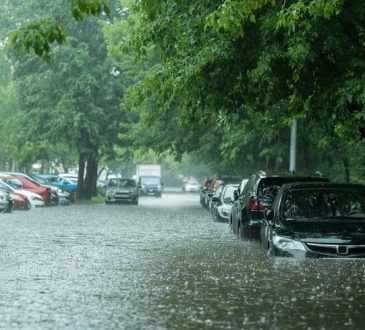
As we move through 2025, “reasonable care” increasingly turns on whether owners use technology and consistent processes to spot and fix hazards before injuries occur. Retailers and hospitality operators are expected to maintain electronic inspection logs, timestamped cleaning checklists, and video coverage that aligns with high-risk zones like entrances, produce aisles, and restrooms. Apartment communities face heightened scrutiny regarding security, especially where prior incidents suggest foreseeable crime; lighting audits, access control, and camera maintenance matter. Weather-related risks are also front and center in coastal markets; rain mats, caution signage, roof and drainage upkeep, and prompt remediation of slippery surfaces are considered basic risk controls. When those systems are missing or ignored, it becomes easier to show that a serious injury was the predictable consequence of lax management.
What reasonable care looks like today
- Routine, documented inspections with frequency scaled to risk (e.g., hourly restroom checks; more frequent in inclement weather)
- Immediate remediation protocols, including drying, coning off hazards, and posting visible warnings
- Preservation of surveillance video for a reasonable period after an incident and upon written request
- Staff training on hazard recognition, incident reporting, and escalation to supervisors or maintenance
- Vendor oversight for cleaning companies, elevator service providers, and security contractors with clear performance metrics
- Compliance with building, fire, and accessibility codes; maintained handrails, uniform stair risers, and adequate illumination
- Residential safeguards such as compliant pool barriers, self-closing gates, and working carbon monoxide detectors where applicable
Defendants often argue that hazards were “open and obvious,” but that doctrine typically addresses the duty to warn—not the underlying duty to maintain premises safely. The modified comparative negligence rule may reduce an award where a plaintiff ignored a clear danger, yet it does not erase a landowner’s obligation to repair known defects. Children receive special consideration under the attractive nuisance doctrine, which imposes additional duties when owners know kids are likely to encounter dangerous features such as pools or construction equipment. For strategic guidance on how these nuances apply to your facts, experienced Pensacola Premises Liability Lawyers can assess risk control evidence, expert opinions, and local code requirements to position your claim effectively. Their insight can be decisive when defendants rely on boilerplate defenses untethered to modern safety practices.
Proving Negligence Through Photographic and Maintenance Evidence
Evidence wins or loses premises cases, and timing is everything. Photos and videos taken immediately after a fall, assault, or structural failure capture conditions before cleanup or repairs change the scene. Angle matters: wide shots show warning signs (or the lack of them), while close-ups document liquid footprints, tread patterns, and surface texture. If video existed, it’s vital to send a preservation letter quickly; many businesses overwrite footage within days or weeks. A prompt request helps prevent spoliation and can lead to jury instructions if critical footage “goes missing.”
Gathering and preserving proof
- Photograph the area from multiple angles, including entrances, lighting sources, and any warning signs
- Note the time, weather, footwear, and what you were carrying; save your shoes and clothing
- Ask for an incident report and the names and roles of employees who responded
- Identify witnesses and collect contact information; check for camera domes and note their locations
- Seek medical care the same day and describe the mechanism of injury consistently to providers
- Send a written preservation request for video, cleaning logs, inspection records, and prior incident reports
Beyond photos, documentary records can establish notice and reveal systemic failures. Cleaning schedules, inspection checklists, work orders, and maintenance logs help determine whether a hazard existed long enough that the owner should have known about it. Prior similar incident reports and vendor communications often uncover red flags—recurring leaks, broken lighting, or security systems out of service for weeks. Public records can be powerful too: code enforcement citations, police calls for service, and 911 data show patterns owners ignored. Seasoned trial teams, including those at Michles & Booth and other local firms, leverage metadata, weather data, and expert analysis to reconstruct the hazard timeline and meet the statute’s constructive knowledge requirement. Chain of custody for physical evidence, like a broken step tread or a defective handrail bracket, may also support liability when combined with expert testimony.
Recoverable Damages for Medical Expenses and Lost Income
Compensation in premises liability cases aims to make you whole for both financial losses and human harms. Economic damages include past medical bills, future treatment projected through a life-care plan, prescription costs, therapy, and assistive devices. Lost income encompasses wages missed during recovery and diminished earning capacity if injuries limit your future work; self-employed individuals can use tax returns, contracts, and accountant reports to substantiate losses. Out-of-pocket expenses, such as transportation to appointments and home modifications, should be tracked from the outset. Each category requires documentation that ties the losses directly to the incident—well-organized proof increases credibility and claim value.
Documenting losses with precision
- Keep all bills, EOBs, and medical records; ask providers for itemized statements and CPT/ICD codes
- Maintain a treatment diary tracking symptoms, medications, and functional limitations
- Gather pay stubs, employer verification of missed time, tax returns, and letters from clients for self-employed income
- Save receipts for mileage, parking, medical equipment, and home care; use a spreadsheet to log dates and amounts
- Understand liens and subrogation rights from Medicare, Medicaid, TRICARE, and private insurers to protect your net recovery
Non-economic damages—pain, suffering, scarring, mental anguish, and loss of enjoyment—reflect the very real impact of injuries that persist long after bills are paid. Florida permits punitive damages in rare cases involving gross negligence or intentional misconduct, though they’re limited by statute and require a high proof threshold. The modified comparative negligence rule reduces any award by your percentage of fault, so clarity about hazard visibility, warning adequacy, and your actions matters. Collateral source and lien issues can become technical; resolving them correctly often secures more of your settlement in your pocket. Consult knowledgeable Pensacola Premises Liability Lawyers to frame damages with medical experts, vocational analysts, and economists, and to navigate negotiation dynamics with carriers. Teams like Michles & Booth also handle lien reductions, which can meaningfully improve your net recovery.
Recent Pensacola Verdicts Reinforcing Victim Rights
While every case turns on its facts, recent Panhandle verdicts reflect a steady expectation that businesses and property managers document safety practices and preserve evidence. Juries tend to scrutinize missing video, incomplete inspection logs, and vague testimony about “customary” cleaning when contemporaneous records are absent. Where there is a track record of prior incidents—slip events in the same aisle, repeated criminal activity at a complex—jurors are receptive to arguments that harm was foreseeable and should have been prevented. On the defense side, arguments about an “open and obvious” condition may reduce damages but rarely erase responsibility for chronic structural hazards like broken steps or long-standing lighting failures. The 51 percent negligence threshold has sharpened focus on credible narratives about how and why the incident unfolded and who had the last clear chance to prevent it.
Practical takeaways from Panhandle juries
- Safety policies matter most when they’re followed and documented; checklists without timestamps carry little weight
- Surveillance footage is pivotal; unexplained gaps or deletions can undercut a property owner’s credibility
- Patterns of prior incidents support foreseeability for slip hazards and negligent security claims
- Local code compliance and industry standards resonate; jurors understand the difference between a warning cone and a fix
- Witness credibility and medical consistency drive outcomes; clear, contemporaneous records beat after-the-fact narratives
Courts in Escambia and neighboring counties frequently apply section 768.0755’s knowledge requirement with a practical lens, asking whether an owner’s systems were robust enough to detect and remove hazards in a reasonable time. Weather is not a blanket excuse—proper matting, monitoring, and signage are expected during storms, especially at entrances. Apartment owners and managers are increasingly evaluated by the totality of their security posture relative to known crime patterns, not just whether a camera existed. To align your case with these realities, consider engaging Pensacola Premises Liability Lawyers early so they can secure video, logs, and witness statements before evidence disappears. If you need a local team deeply familiar with juror expectations and defense strategies, Michles & Booth remains a trusted name for Panhandle injury victims seeking accountability and fair compensation.